Skip to content
Safety Systems SolvedKeeping Safety Simple
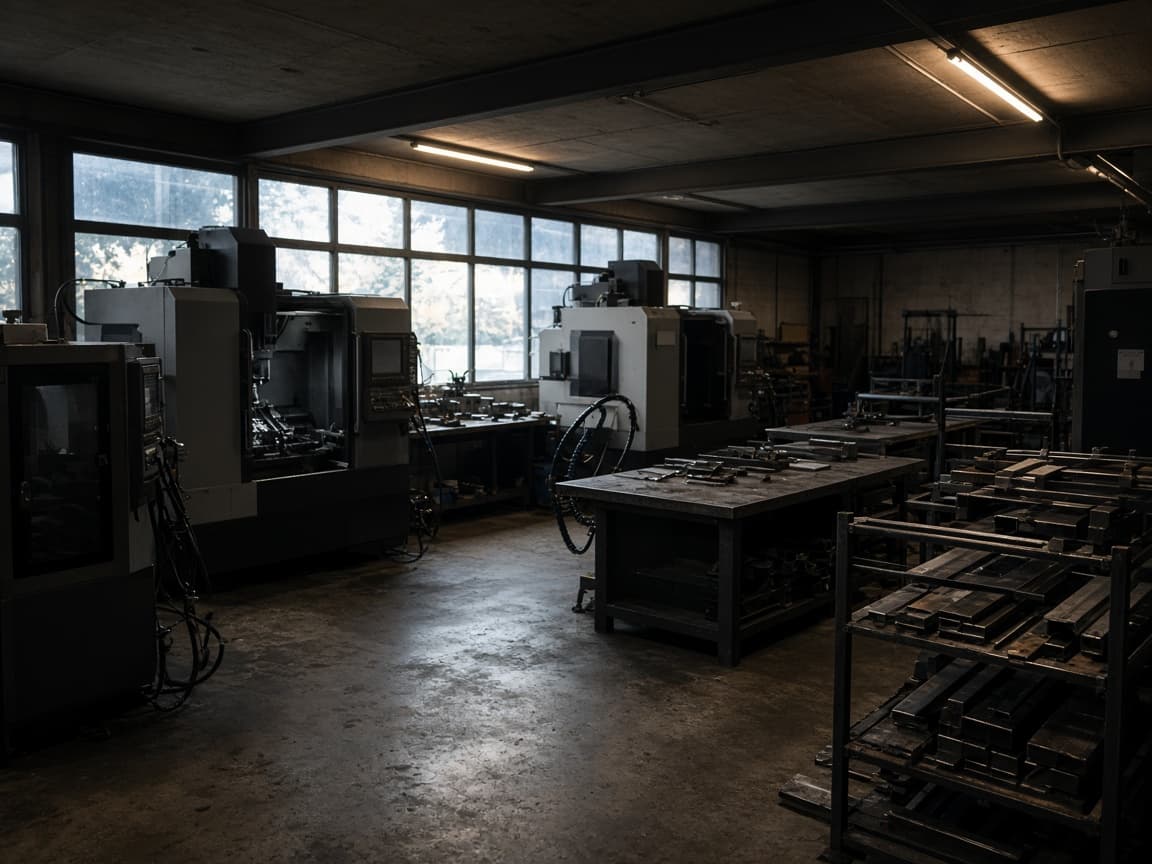
Manufacturing benches and plant on a quiet Australian workshop floor.

Hazards as they really sit

On-site risk assessments

The hazards that hurt people are usually the ones everyone has walked past since last winter.

A risk assessment written from a template in the office will miss the damaged racking, the shortcut through the forklift aisle, the unguarded edge and the chemical bottle with no label. Those are the things that sit in a real workplace.

Safety Systems Solved comes to site, walks the work with you, and writes up the hazards and controls in language your supervisors can use. The document is the record. The point is the control that gets put in place.

Who it is for. Workshops, warehouses, manufacturers, trades and fleets that need a risk assessment tied to the actual plant, layout and jobs — including before a change of process, a new site, or a client request.

How the work usually runs

  1. 01

    Agree the scope: whole site, one process, a new machine, or a particular job type

  2. 02

    Walk the area, watch the task where it is safe to do so, and talk to the crew

  3. 03

    Record hazards, current controls, leftover risk and recommended next controls

  4. 04

    Translate findings into SWMS, procedures or a simple action list, depending on what you need

  5. 05

    Leave you with something a supervisor can brief from the same day

Why this matters

Australian WHS law expects risks to be identified and controlled so far as is reasonably practicable. That starts with seeing the work.

Paper that does not match the floor fails the first time someone is asked to follow it.

A good on-site assessment also shows you where a cheap physical change beats another procedure.

Questions about on-site risk assessments

Do you only write the assessment, or help with controls too?

Both. We identify the hazards and advise on practical controls to put in place on site. We do not pretend a document by itself makes a machine safer.

Can you assess a job we do across several sites?

Yes. We can assess a representative site or job and then help you adapt the findings for similar work. If the sites are genuinely different, they need their own look.

Is this the same as a SWMS?

A risk assessment and a SWMS are related, but they are not the same document. A SWMS is the high-risk construction work method. A risk assessment is broader. We will tell you which record you actually need for the work in front of you.

Will operations have to stop?

We work around your operations so the site does not grind to a halt. Most assessments happen during normal work, with care around live plant and traffic.

Ready to talk this through?

Start with a free safety review, or ask specifically about on-site risk assessments.

Book a free safety review