Services
The help a small business actually needs.
Take one piece of the work, or hand the whole WHS function over. Every service is written for workshops, warehouses, manufacturers, trades and fleets — not for a corporate head office.
The usual first step is a free safety review. If you already know the gap, go straight to the service. Each page below has the detail, the FAQs and how the work usually runs.
01
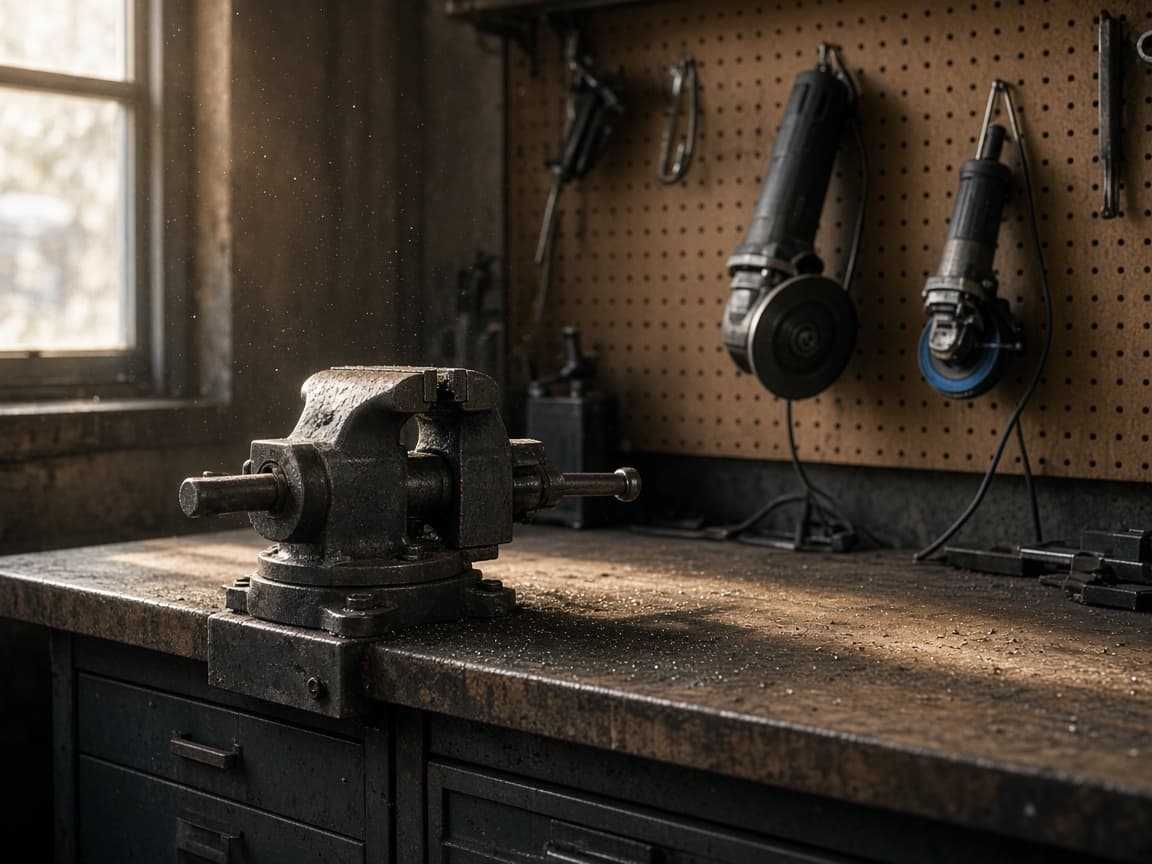
Systems your crew will actually follow
WHS management systems
A safety system should make the next job easier, not add a second job on top of the first.
A right-sized workplace health and safety management system — policies, procedures, registers and templates built for your trade and team size.
Who it is for. Workshops, warehouses, manufacturers, trade businesses and delivery fleets that need a usable WHS system, not a generic pack downloaded the night before a tender.
- A right-sized WHS management system matched to your work, sites and team size
- Policies, procedures, registers and templates written in plain English
- SWMS, risk assessment and induction material that fits the jobs you actually do

02
A clear picture of where you stand
Audit and gap assessments
You should not have to guess whether your safety system would survive a closer look.
A plain-English view of where your workplace sits against the WHS Act, with a prioritised action plan so you know what to fix first.
Who it is for. Businesses preparing for a client audit, a regulator visit, a tender, or simply tired of not knowing whether the paperwork they have is enough.
- A structured review of your current WHS documents, records and on-site practice
- Gaps explained against the WHS Act, regulations and relevant Codes of Practice
- A prioritised action plan — what matters now, what can follow, and why
03
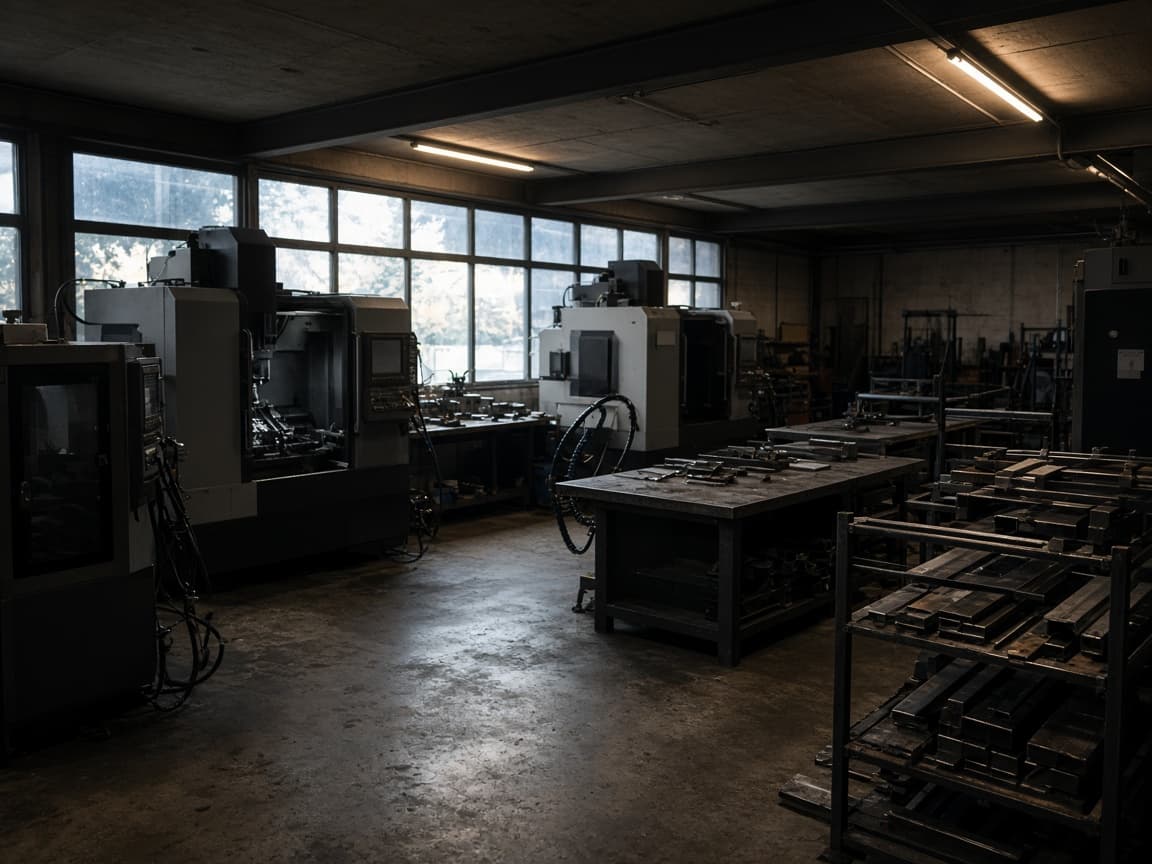
Hazards as they really sit
On-site risk assessments
The hazards that hurt people are usually the ones everyone has walked past since last winter.
We come to your worksite, identify real hazards, and advise on practical controls — not generic tick-box paperwork.
Who it is for. Workshops, warehouses, manufacturers, trades and fleets that need a risk assessment tied to the actual plant, layout and jobs — including before a change of process, a new site, or a client request.
- A site walk focused on how work is really done, not how the procedure says it is done
- Hazards identified across plant, traffic, chemicals, manual tasks, energy and the work environment
- Practical control advice using the hierarchy of control, starting with what you can actually implement

04
Short, plain-English, inspection-ready
Toolbox talks and training
If the crew cannot repeat it on the floor, it was not training. It was a meeting.
Short, plain-English training and toolbox talks that keep workers switched on and your records ready if someone asks.
Who it is for. Owners and supervisors who need workers inducted, refreshed and recorded — without turning every Monday into a lecture.
- Toolbox talks written for your hazards, plant and jobs
- Short training sessions delivered in language the crew will sit through
- Attendance and topic records you can file with the rest of the system
05
When something has already gone wrong
Incident and injury support
The hour after an incident is when guesswork does the most damage.
Guidance through notification, investigation and return-to-work so you can respond correctly while the pressure is on.
Who it is for. Owners and supervisors who need a calm process after an injury, a dangerous incident, or a near miss that could have been worse.
- Clear advice on what to do first, including who may need to be notified
- A practical investigation that looks for system causes, not a scapegoat
- Records that support insurers, return-to-work and any later questions
06
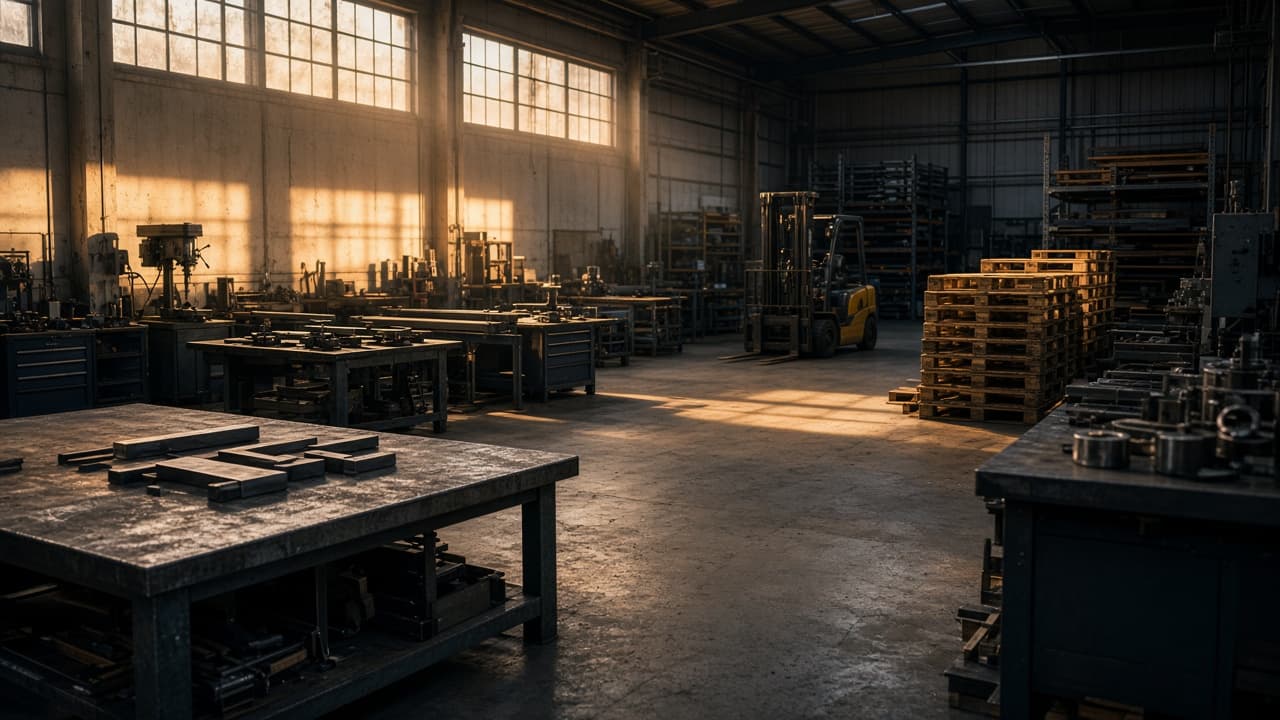
An outsourced safety team, without the full-time salary
Ongoing safety partner
Safety work is not finished when the folder is printed. That is when it starts.
Ongoing reviews, updates and on-call support so the system stays alive as the business grows — not a report that gathers dust.
Who it is for. Growing small and medium businesses that want a regular safety rhythm and someone to call, rather than a one-off project that goes stale.
- A regular review cycle for documents, registers and site practice
- Updates when the work, plant, sites or crew change
- On-call support when an incident, audit or client request lands
Not sure where to start?
The free safety review is the usual first step. We look at the business and tell you what actually needs attention.